

Choosing the best physical therapist can be a crucial step in your path toward healing and enhanced health. With so many options available, it can be daunting to identify a professional who not only has the necessary skills but also encourages a sense of reliability and empathy. A skilled physical therapist can bring about a meaningful difference in how well you recuperate and restore physical function, highlighting the importance of making an educated decision.
In this handbook, we will investigate the key signs of a skilled and reliable physical therapist. From understanding what to look for in terms of certifications and experience to recognizing red flags that may suggest a less-than-ideal choice, we strive to prepare you with the information needed to make the best selection for your specific needs. Whether you are recovering from an injury, dealing with a long-term condition, or wanting to boost your general performance, understanding these markers can serve as your guide to selecting a dependable partner in your physical therapy journey.
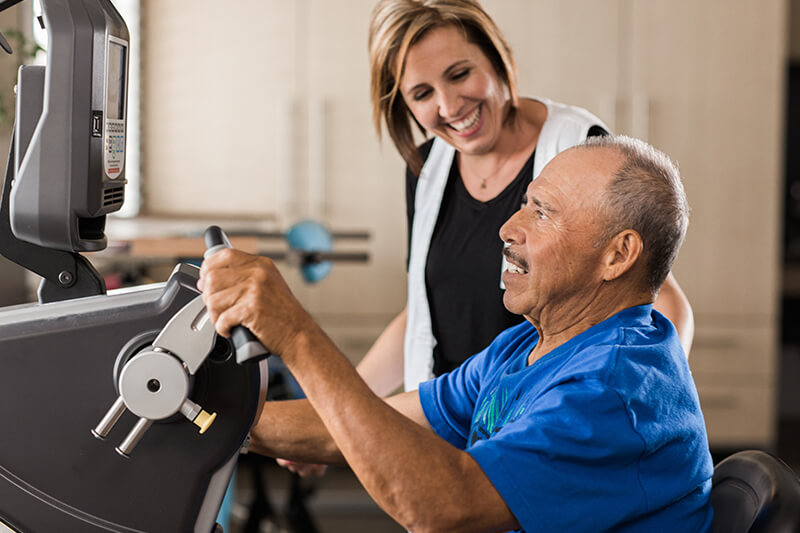
Indicators of a Expert Physical Therapist
A expert physical therapist exhibits a high level of knowledge and proficiency in their field. They keep updated on the latest treatment techniques and advancements in physical therapy, making sure they provide the highest quality care achievable. This devotion to constant education is a clear indicator of their loyalty to their profession and the health of their patients. When evaluating a therapist, ask about their training, certifications, and if they are participating in any ongoing education programs.
Another key sign of a proficient physical therapist is their skill to communicate effectively with patients. This entails vigilantly listening to concerns, clarifying treatment plans clearly, and ensuring that patients feel secure expressing their needs. A good therapist will tailor their approach based on unique patient feedback, demonstrating a unique investment in the recovery process. This clear line of communication builds trust and encourages a collaborative therapeutic relationship.
Additionally, a expert physical therapist will utilize a range of assessment tools and techniques to create tailored treatment plans. They consider not only the physiological condition of patients but also their lifestyle, goals, and preferences. This holistic approach indicates a therapist who values thorough care. Tracking progress through continuous evaluations guarantees that modifications are made to the treatment plan as needed, emphasizing their versatility and commitment to achieving optimal results for each client.
What To Look for in a Physical Therapist
A qualified physical therapist must demonstrate a strong foundation of knowledge in anatomy, biological functions, and treatment methods. They must have appropriate certifications and licenses, showing their commitment to preserving standards in their practice. Additionally, a therapist's skill to explain difficult medical terms and treatment plans in understandable language is essential. This transparency not only aids to build trust but also guarantees that patients are fully informed about their therapy process.
Experience plays a key role in the selection of a physical therapist. It is crucial to look for professionals who have a proven track record in treating conditions similar to yours. Look for therapists who specialize in domains that correspond with your needs, such as sports injuries, post-operative rehabilitation, or long-term pain management. Moreover, patient feedback can give perspective into a therapist's capability and method, helping you assess how well they may address your specific concerns.
Finally, personal attributes are essential in physical therapy. A great therapist needs to show authentic empathy and understanding towards their patients, creating a welcoming environment for recovery. Their ability to listen, communicate effectively, and adapt treatment plans based on individual progress is a major indicator of their competence. When picking a therapist, think about how well they relate with you personally, as this relationship can significantly influence your overall therapy experience and outcomes.
Red Flags in Physical Therapy Selection
When selecting a PT, there are several warning signs that should raise concern and encourage further scrutiny. One significant red flag is a absence of proper licenses and credentials. Ensure that https://bondesen-chandler-3.thoughtlanes.net/10-characteristics-of-an-outstanding-physical-therapist is licensed to practice in your area and has acquired the necessary certifications in their area of specialization. her comment is here jeopardizes your safety but may also impede your recovery process.
Another red flag is ineffective communication skills. If your physical therapist struggles to explain treatment plans, techniques, or expected outcomes in a clear and understandable manner, it could suggest a lack of knowledge or competence. Additionally, if the PT overlooks your concerns or fails to involve you in the decision-making process regarding your treatment, it could be a sign that they do not prioritize patient-centered care, which is crucial for effective rehabilitation.
Lastly, be cautious of providers who force you through a one-size-fits-all treatment approach without considering your individual needs and condition. A good physical therapist personalizes treatment plans and actively seeks to comprehend your specific challenges. If you feel that your therapist is more focused on managing many patients in a short amount of time rather than providing personalized care, it may be a clear indication that they are not the right fit for your recovery journey.